
Originally published: November 2025 | Reviewed by Mary Conte
Creating a will sounds simple, right? But plenty of Florida families find out—sometimes way too late—that even small mistakes can wipe out their entire estate plan.
Florida requires at least two competent witnesses to sign a will in the presence of the testator and each other for the document to be legally valid.
This strict rule exists to prevent fraud and ensure the person’s true wishes are respected.
Here’s where Florida’s witness requirements get tricky: the law cares a lot about timing and procedure during the signing.
It’s not just about two signatures—witnesses must be present at the right times and follow the proper steps.
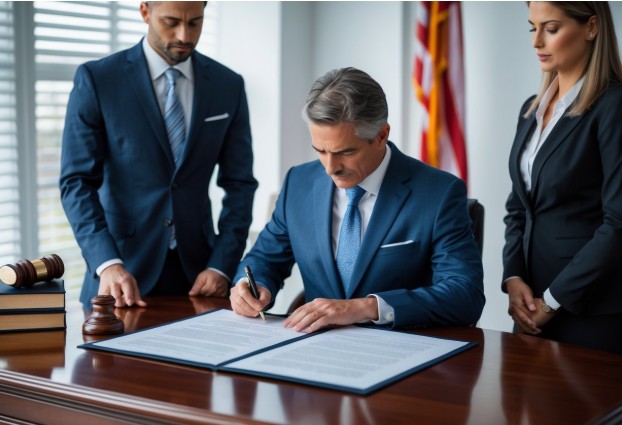
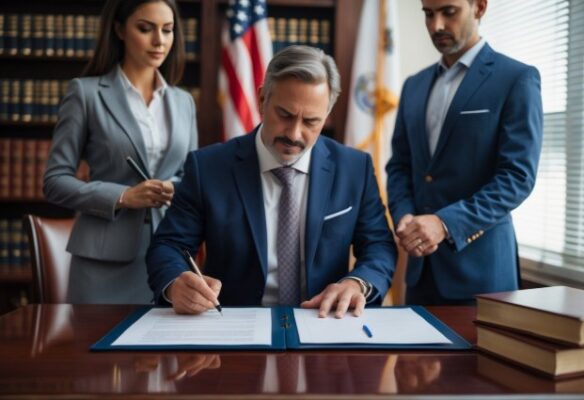
Florida requires the testator’s signing (or acknowledgment of a prior signature) to occur in the presence of at least two attesting witnesses, and each witness must sign in the presence of the testator and of the other witness. “In the presence” means everyone can actually see the act of signing as it happens.
Florida also permits audio-video presence when the ceremony follows the state’s Remote Online Notarization/electronic will procedures (supervised by a Florida online notary under chapter 117).
In other words, properly conducted remote witnessing can count.
Common mistakes people make: having witnesses sign at a different time than the testator; using witnesses who can’t clearly observe the signing; and allowing a witness to step out during the signing.
Florida says the person making a will must be at least 18 (or an emancipated minor) and of sound mind at the time of signing.
These rules protect folks who might not understand what’s happening.
Mental competency means the person gets a few key things. They have to know what property they own and its general value.
They also need to know who their family members and close friends are. Plus, they must understand what a will actually does.
Signs of mental competency include:
Medical conditions like dementia or Alzheimer’s can affect competency, but having these conditions doesn’t automatically mean someone can’t make a will.
The real question is whether the person understands these things at the time they sign. Some days are better than others, and that can matter.
Conte Mollenhauer Law simplifies Florida will signings—two witnesses, self-proving steps, and airtight ceremony guidance to avoid probate fights. Protect your wishes and contact us today.
If you’re ready to get started, call us now!

Florida lets any competent adult witness a will—even people who benefit from it. Still, picking the wrong witnesses can cause problems that threaten the will’s validity down the road.
An interested witness is someone who receives a bequest under the will, such as money or property.
A disinterested witness doesn’t have a financial stake. They don’t inherit anything.
Florida law allows beneficiaries to witness wills without making the document invalid. The state abolished the old rules that punished interested witnesses.
Even though it’s legal, using beneficiaries as witnesses can backfire. If someone challenges the will for undue influence, a beneficiary-witness makes the challenge easier to prove.
Courts might wonder if the beneficiary-witness pushed the person making the will. That can create doubt about what the person really wanted.
Witnesses must sign the will in the presence of the testator and each other. All three people have to be together during the signing.
The testator signs or acknowledges their signature, then both witnesses sign while everyone’s watching.
This helps prevent fraud and ensures everyone agrees the signatures are genuine. If witnesses sign at different times or in different places, the will may be invalid.
Lots of folks make the mistake of having witnesses sign later. Some mail the will around or ask people to sign separately. That doesn’t cut it in Florida.
It’s best to sign in for one meeting with everyone present. That way, there’s a clear record that everyone participated willingly.
| Witness type | Permitted by statute? | Best-practice note |
| Adult beneficiary | Yes | Valid, but may raise optics/undue-influence arguments; prefer neutral witnesses. |
| Spouse/relative | Yes if competent | Valid; neutrality is better. |
| Notary public | May also witness | A notary can serve as a witness, but you still need two witnesses total. |
| Minor witness | If competent | Avoid in practice; adult witnesses are safer for future testimony. |
| Persons with sensory impairments | If competent and able to perceive the signing | Use judgment; they must be able to observe the act. |
Key point: Any competent person may witness in Florida; the safest practice is to use two disinterested, competent adults who can clearly observe the signing.
Any competent adult can serve as a witness in Florida. The main thing is that they’re mentally competent and understand what’s going on.
If someone can’t see, hear, or understand the process, they shouldn’t witness a will. They can’t really confirm the testator’s actions or identity.
A Florida self-proving affidavit streamlines the probate process by removing the need for witnesses to show up in court. Florida law requires you to use a specific statutory form, which everyone must sign at the right time with a notary present.
Florida Statute 732.503 spells out the language for a self-proving affidavit. The testator and witnesses sign this affidavit either when they execute the will or later if needed.
The self-proving affidavit needs acknowledgment by the testator and affidavits from witnesses.
A will can be made self-proved at execution or at a later date by the testator’s acknowledgment and the witnesses’ affidavits before an officer authorized to administer oaths, using the statutory form.
Same-session execution is best practice, but the statute permits a later self-proving session.
Key Requirements:
Some people think they can add the affidavit years later without the original witnesses. That’s a problem if the witnesses have moved or passed away.
The self-proving affidavit serves as a substitute for witness testimony during probate. It can save a lot of time.
One big misconception: notarizing the will itself does not make it valid. That’s not true in Florida. The two-witness rule is what really matters.
The notary’s job is only for the self-proving affidavit, not the will. Some people skip the witnesses because they had the will notarized, but that doesn’t work.
What Notarization Does:
The self-proving affidavit helps prove the will’s validity, but can’t fix major execution mistakes. A will with only one witness is still invalid, even with a notarized affidavit.
Estate attorneys see families run into trouble with invalid wills when someone confuses notarization with proper execution.
Getting the sequence right during a Florida will signing can save you from headaches and expensive mistakes.
Each step needs to happen in the correct order, with everyone there and paying attention to what’s being signed.
Before anyone picks up a pen, the testator must ensure everyone understands their roles. Every will-signing ceremony requires at least two witnesses who must remain for the entire process.
The testator should confirm they’re signing by choice. Nobody should push or rush them—seriously, take your time.
Choose competent witnesses (adults strongly preferred) who can clearly observe the signing from start to finish.
Disinterested witnesses are recommended to reduce challenge risk, but Florida law does not invalidate a will because a witness is a beneficiary.
Everyone ought to put away their phones and cut out distractions. This moment deserves everyone’s full attention, even if it’s just for a few minutes.
The testator must say aloud that this is their last will. All witnesses have to hear this declaration.
After the testator signs, the witnesses need to sign right away, while everyone’s still there. They can’t leave and come back later to sign.
Each witness signs in front of the testator and the other witness. Florida law insists on this exact sequence to make the will valid.
Witnesses should print their names clearly below their signatures. Add their full addresses and the current date.
Keep the original will in a safe, accessible place. Many folks use fireproof safes or safety deposit boxes for this.
Make copies for key family members or the attorney who helped draft the will. Keep the original separate from the copies.
Never staple anything to the will or make changes after it’s signed. If you need a change, you’ll have to do a whole new signing ceremony with proper witnesses.
| Step | Requirement (statutory) | Notes |
| Writing | Will must be in writing | Typed or handwritten text is fine. |
| Testator signature | Testator signs at the end, or directs another to sign in the testator’s presence.ce | Verbal acknowledgment of a prior signature also works. |
| Two witnesses | Both witnesses sign in the presence of the testator and of each other | One continuous ceremony is safest. |
| Self-proving (optional) | Testator’s acknowledgment + witnesses’ affidavits before a notary, statutory form | Can be done at execution or later; speeds probate. |
Avoid invalid execution, remote-signing missteps, and costly contests—with Conte Mollenhauer Law guiding your ceremony, every signature counts, and records are clean. Ready for certainty? Schedule an appointment.
If you’re ready to get started, call us now!
Florida was one of the first states to allow electronic wills in 2020. But there are strict rules for when remote witnessing actually counts.
Understanding these digital options can help families avoid costly probate headaches while staying up to date with modern tech.
Florida law allows witnesses to observe the will signing via live video—under certain conditions.
The Florida Electronic Wills Act requires a two-way video link where everyone can see and hear each other, no exceptions.
Live, two-way audio-video session where all parties can see and hear each other in real time.
Supervision by a Florida online notary using an approved RON platform (identity proofing, credential analysis, and session recording/retention).
Each participant signs electronically as required, and the notary maintains the required records.
Use a stable internet and a full-room view so the witnesses and notary can clearly observe the signing.
The testator signs electronically while the witnesses watch on video. Each witness signs their own copy. The witnesses and notary don’t have to be in the same room—or even the same city—as the testator.
Florida courts treat properly executed electronic wills the same as traditional wills. But if the tech fails during signing, the entire document can become invalid.
Tech problems are the biggest threat to electronic wills. Internet dropouts, bad video quality, or software bugs can wreck the signing process.
Common Mistakes to Avoid:
Some families create both electronic and traditional paper wills—just in case. This backup strategy helps balance digital convenience with peace of mind.
Electronic wills need the same witness protections as paper wills. Witnesses must be mentally competent adults who aren’t beneficiaries.
Estate planning attorneys usually recommend testing your video setup before the real signing. It’s smart to have tech support on hand during the process, just in case things go sideways.
Some mistakes will wipe out the whole document, while others can be fixed in court. Knowing which errors are fatal and which are just technical helps families protect a loved one’s final wishes.
Improper execution causes the worst problems in Florida probate. If someone doesn’t sign their will or doesn’t have two witnesses, the document is invalid.
Missing signatures can’t be fixed after death. The testator has to sign while alive and mentally capable. If they pass before signing, the will means nothing legally.
Invalid execution includes:
Some paperwork issues do get corrected in court. Missing witness addresses or minor typos are often corrected during probate.
Fixable issues include:
Courtrooms tend to care more about the testator’s clear intent than technical perfection. They’ll accept a will with small flaws if the basics are met.
Will contests challenge the validity of the whole will or just certain parts. Family members sometimes claim the will resulted from pressure or trickery.
Undue influence happens when someone pushes the testator to change their will. This happens when caregivers or relatives isolate elderly folks and talk them into larger inheritances.
Courts look for suspicious situations. They check whether the testator received independent legal advice and whether the beneficiary had an opportunity to influence the decision.
Fraud means someone lied about the will’s contents. Maybe they tricked the testator into signing something other than what was intended.
Duress is when the testator signs under threat or heavy pressure. Any force that overrides free will can render the entire document void.
Mistakes can also void wills if the testator misunderstood key facts—like signing the wrong document or being misinformed about property or heirs.
These challenges often drag on in court and drain estate funds. It’s not a fun process for anyone involved.
| Problem type | Invalid (cannot fix after death) | Fixable / workarounds |
| Execution element missing | No testator signature; only one witness; witnesses did not sign in the presence of the testator and each other | Must re-execute while the testator is alive with proper formalities |
| Self-proving affidavit | Not fatal (will still be valid) | Add a self-proving affidavit later or rely on witness testimony in probate |
| Clerical/format issues | — | Minor misspellings, missing dates, and legibility issues are often addressed in probate if execution elements are met |
| Interested witness | Does not invalidate a Florida will | Best practice: use disinterested witnesses to reduce contest risk |
Key difference: An Invalid will fails to meet Florida’s core legal requirements and can’t be corrected. Fixable problems are just technical errors that don’t mess with the testator’s clear wishes.
Courts can’t rewrite wills or guess what the testator wanted. When common Florida probate mistakes confuse families, they end up in expensive legal fights.
Florida law spells out how to change or cancel a will. You can use partial amendments, called codicils, or a complete rewrite. People sometimes revoke wills by physically destroying them, but it can be risky if you don’t do it right.
A codicil lets you tweak your will without rewriting the whole thing. It’s handy for minor updates, such as changing an executor or adding a beneficiary.
But codicils have to follow the same strict rules as the original will. You still need two witnesses and all the proper formalities for it to count.
For bigger changes, a complete restatement is usually safer. That means creating a brand new will that replaces the old one.
Key differences:
| Method | Best For | Risk Level |
| Codicil | Minor changes | Higher |
| Complete Restatement | Major changes | Lower |
A new will doesn’t automatically wipe out the old one unless it says so. Just making a new will isn’t enough to fully revoke the previous one.
The new document should clearly state that it revokes all previous wills and codicils. This helps avoid confusion and legal trouble down the road.
In Florida, a will can be revoked by physically destroying it. Still, you have to be really careful with this option. A testator may revoke a will by a physical act, but they must have a clear, genuine intent to do so.
Tearing, burning, or destroying the document all count as acceptable acts. Just scribbling on it or crossing out sections? That doesn’t cut it under Florida law.
When it comes to electronic wills, things work a bit differently. You can revoke an electronic will by deleting it, canceling it, rendering it unreadable, or obliterating the file.
Major risks of physical destruction:
Honestly, the safest way? Write a new will that clearly says it revokes the old one, then destroy the original. That way, there’s a paper trail, and you avoid confusion about what you really wanted.
Some situations during the execution of a will just seem to beg for legal battles. If you don’t have solid proof of mental capacity, or if you let beneficiaries watch the signing, you might be asking for trouble.
Courts look closely at the testator’s mental state when they sign. Without decent documentation, families can end up in drawn-out fights about whether their loved one really understood what was happening.
Key capacity indicators to document:
Witnesses need to watch the testator directly and see them sign. If the person looks confused or doesn’t recognize close family, that’s a big red flag.
Medical records from around the signing date can make or break a case. If a doctor notes cognitive decline right before the will is signed, that’s probably not going to end well in court.
Warning signs that invite challenges:
If you let beneficiaries sit in during will signing, you run into an instant conflict of interest. Florida courts often view this as a red flag for undue influence, even if no one actually pressured anyone.
The best move is to keep every beneficiary out of the room during the signing. That means spouses, kids, and anyone who stands to get money or property from the will.
People who should not be present:
The attorney needs to meet privately with the testator first. That one-on-one time really helps ensure the wishes come straight from the person making the will. Family members shouldn’t be part of these talks.
Even a totally innocent comment from a beneficiary can look bad in court. Something as simple as “thanks for remembering me” could get twisted into supposed evidence of manipulation.
Florida law does not invalidate a will because a witness is a beneficiary, but keeping beneficiaries out of the room and using disinterested witnesses reduces undue influence risk and litigation optics.
Get your will executed correctly, self-proved, and stored properly—then rest easy knowing it stands up in court, powered by Conte Mollenhauer Law. Contact us.
What are Florida’s basic will-execution requirements?
A will must be in writing, signed at the end by the testator (or at their direction), and signed by two witnesses in each other’s presence.
Do witnesses have to be disinterested or over 18?
Florida allows any competent witness. Beneficiaries can witness without invalidating the will, though disinterested adult witnesses are best to reduce the risk of challenge.
Is notarization required for a valid will in Florida?
No. Notarization isn’t required for validity; it’s used to make the will self-proved, so probate doesn’t need witness testimony later.
Can we execute a will remotely in Florida?
Yes, if you follow Remote Online Notarization procedures, supervised by a Florida online notary, real-time audio-video, identity proofing, and proper electronic records.
What mistakes most often invalidate Florida wills?
Missing a witness, witnesses not present together, or the testator not signing at the end. These execution defects are fatal and can’t be fixed after death.
Can handwritten wills work in Florida?
Handwritten wills are valid only if executed with Florida’s formalities (two witnesses present, proper signatures). Unwitnessed “holographic” wills are not valid.
How do I make a will self-proved?
Add a self-proving affidavit: testator and both witnesses acknowledge before a notary using statutory language—at execution or later—to speed probate.
Latest Post

December 16 2025
How to Open a Probate Estate in Seminole County After a Death: Forms, Steps, and Who Files What
To open a probate estate in Seminole County, families file a petition with the Seminole County...

December 16 2025
When someone passes away in Seminole County, their family often faces probate to settle the...

November 21 2025
Recording a deed in Seminole County can feel confusing. The process involves fees, paperwork, and...

